Flat, Satin, or Semi-Gloss? Choosing the Right Paint Finish for Your Home
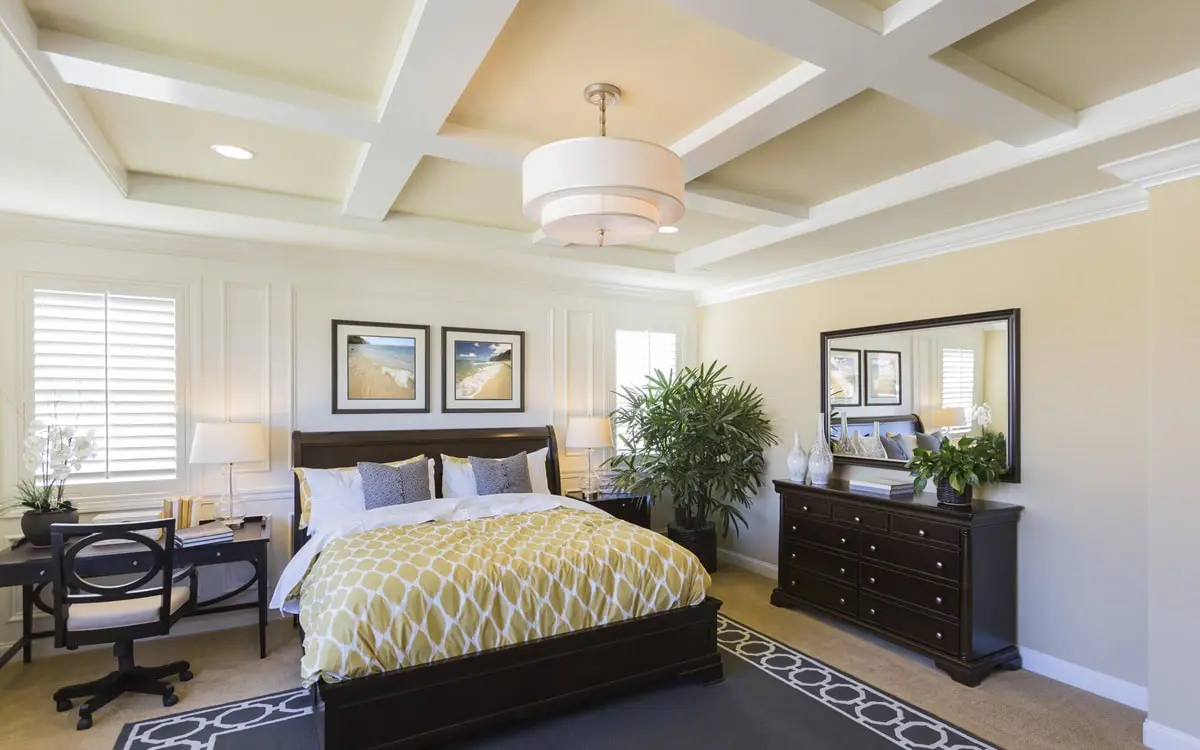
Choosing the right paint finish for your next interior house painting project is just as important as choosing the right color, and it’s the decision homeowners are most likely to get wrong. Flat, satin, and semi-gloss all look similar on a paint chip under store lighting, but they behave completely differently once they’re on your walls, in how they hide flaws, how they clean, and how long they hold up.
Here’s what actually separates each finish, room by room, so you’re choosing based on how a space is used rather than guessing from a sample card.
What Is a Paint Finish, and Why Does It Matter?
A paint finish is the level of sheen or gloss in the dried paint film, and it comes from the ratio of resin to pigment in the formula. The more resin relative to pigment, the higher the sheen. That ratio affects far more than appearance: it determines how easily the surface wipes clean, how visible brush and roller marks are, how well the paint resists moisture, and how much wear it can take before it starts to look tired.
Get the finish wrong for a room’s actual use, and you’ll notice it within a year: scuffed flat paint in a hallway that won’t wipe clean, or a semi-gloss dining room wall that highlights every drywall seam under afternoon light.
Flat Finish: Best for Low-Traffic, Low-Impact Rooms
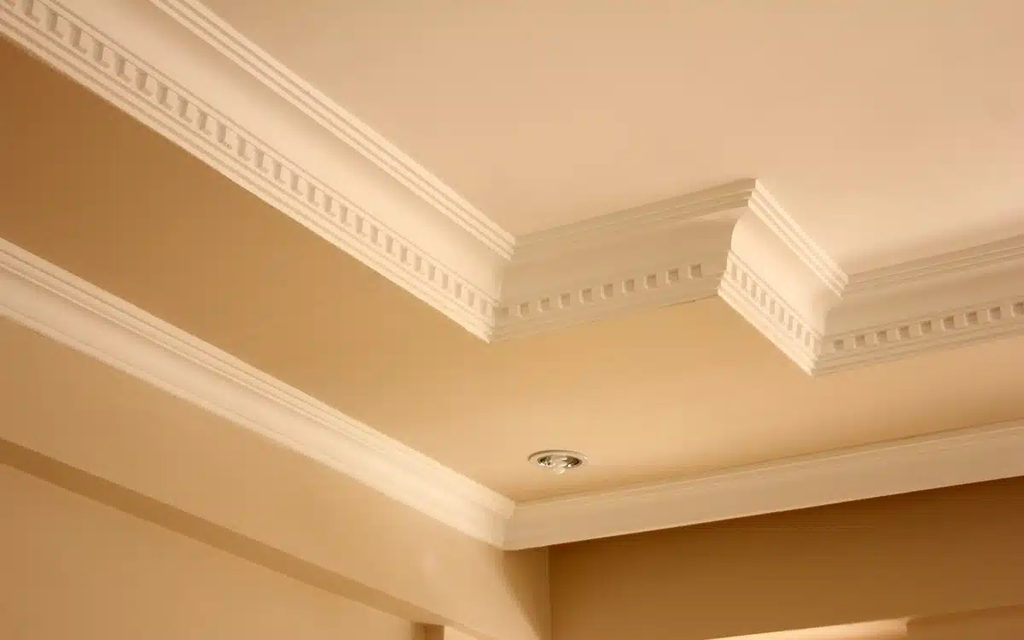
Flat, sometimes labeled matte, has essentially no shine. That absence of reflection is what makes it so good at hiding imperfections such as nail holes, minor drywall texture, and patch work, because there’s no glare to catch and highlight uneven surfaces. It also produces a rich, velvety look that many homeowners prefer for ceilings and formal spaces.
The tradeoff is durability. Flat paint doesn’t clean well; a wipe with a damp cloth can burnish the surface and leave a visible sheen mark rather than removing the mark you were trying to clean. That makes it a poor fit anywhere hands, shoulders, or furniture regularly make contact with the wall. It’s the right call for ceilings, formal dining rooms, and adult bedrooms: rooms where the walls are seen more than touched.
Satin Finish: The All-Purpose Choice for Most Living Spaces
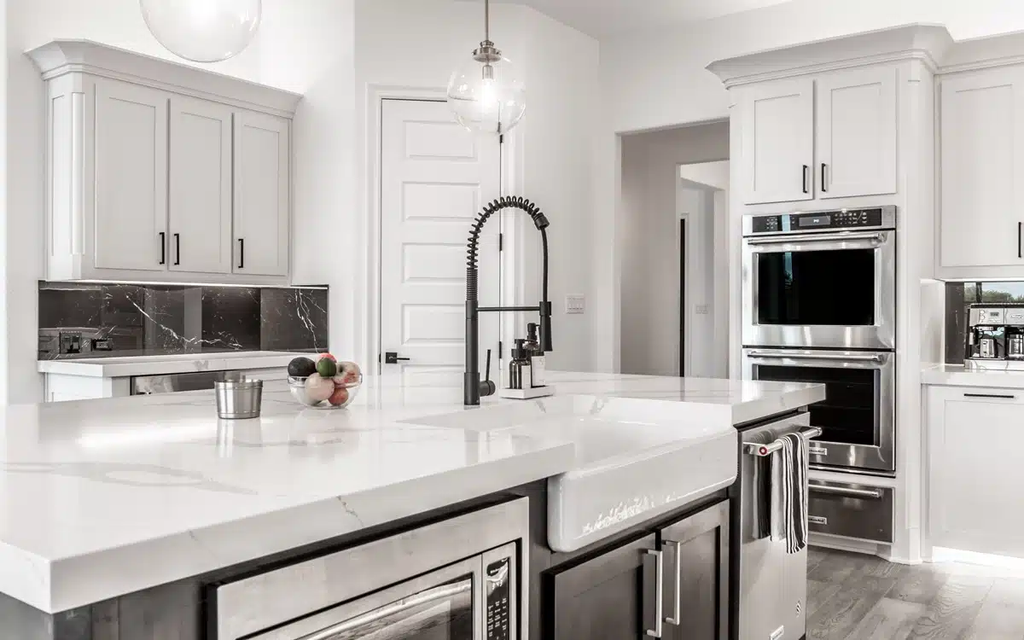
Satin sits in the middle: a soft, low-key sheen that reads as smooth and polished without drawing attention to itself. It cleans up with a damp cloth far more reliably than flat paint, resists moisture better, and looks good under both natural and artificial light. That’s part of why it’s become the default recommendation for the rooms a household actually spends the most time in.
The one thing satin doesn’t hide as well as flat is application technique. Roller marks and lap lines show more readily in satin than in flat paint, which is why professional application matters more here than the finish choice itself. For living rooms, hallways, kids’ bedrooms, and kitchens, satin is usually the best balance of durability and forgiving good looks: durable enough to hold up, subtle enough not to expose every wall flaw.
Semi-Gloss Finish: Built for Durability and Moisture
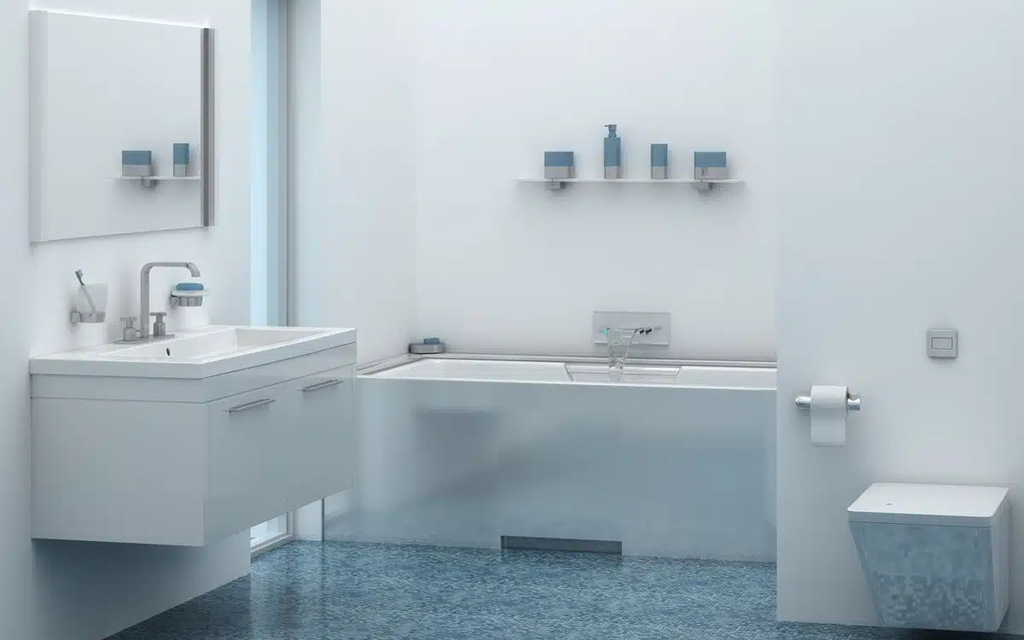
Semi-gloss brings a noticeable shine and a genuinely tough, wipeable surface. It shrugs off scrubbing, resists moisture penetration, and reflects enough light to make a smaller room feel brighter than the same space in a duller finish. That combination is exactly why it’s the standard recommendation for bathrooms, kitchens, and trim, doors, and molding throughout the house.
The cost of that durability is visibility. Semi-gloss shows every wall imperfection it touches, including nail pops, drywall seams, and uneven texture, so surfaces getting a semi-gloss finish need more careful prep than a flat or satin wall would. If your walls have some age and character to them, budget extra time for patching and sanding before semi-gloss goes on, or the finish will end up highlighting exactly what you were hoping to cover up.
What About Gloss or High-Gloss?
Gloss and high-gloss finishes take the semi-gloss logic to its extreme: maximum shine, maximum durability, and maximum visibility of every surface flaw underneath. Because of that ultra-reflective surface, they’re rarely used across broad wall areas. The payoff in durability doesn’t offset how unforgiving the finish is on anything less than a perfectly smooth substrate.
Where high-gloss earns its place is on doors, cabinets, and decorative trim, where a standout, mirror-like appearance and maximum resistance to fingerprints and moisture are worth the extra prep work. Getting a clean high-gloss result requires careful surface preparation and precise application technique, since flaws in either the surface or the brushwork show up immediately and permanently. If you’re on the fence about using it, it’s worth a conversation with a painting professional before committing an entire cabinet run to a finish that leaves no room for error.
Choosing a Finish Room by Room
The right finish for any given room comes down to four questions: How much traffic does the room see? Will it be exposed to moisture, like a bathroom or kitchen? Do kids or pets spend significant time there? And do you want the finish to highlight or hide the wall’s underlying texture?
As a general guide, ceilings and low-use formal rooms do well in flat; living rooms, bedrooms, hallways, and kitchens perform best in satin; and bathrooms, high-moisture kitchens, and all trim and doors hold up longest in semi-gloss. That framework covers most homes, but it’s a starting point, not a rule. A heavily used formal dining room might benefit from satin instead of flat, for example, if it doubles as a workspace or gathering space in practice.
Don’t Mix and Match Too Much
While different rooms can reasonably call for different finishes, resist the urge to vary finish room-to-room without a plan. Too much variety disrupts the visual flow of a home, especially in open-concept layouts where rooms flow directly into one another without a clear boundary. A living room in satin that opens straight into a semi-gloss kitchen without any transition point can feel visually disjointed, even though each finish is individually correct for its room.
The better approach is a consistent finish for connected, high-traffic areas, with intentional shifts reserved for surfaces that genuinely need something different. Satin on the walls throughout an open floor plan, for instance, with semi-gloss reserved for trim and doors, adds contrast and durability exactly where it’s needed. That balance gives you a cohesive look without sacrificing performance where performance actually matters.
Primer’s Role in Getting the Finish You Expect
Finish choice only delivers the result you’re picturing if the surface underneath is prepared and primed correctly. A glossy old surface, a patched section of drywall, or a wall that’s absorbed years of grease and smoke will all take paint unevenly without the right primer first, and that unevenness shows up more, not less, as sheen level increases. This is especially true moving into semi-gloss or high-gloss territory, where every inconsistency in the substrate telegraphs straight through the topcoat.
A stain-blocking primer handles water stains and smoke residue before they bleed through a fresh coat. A bonding primer allows new paint to grip a glossy or slick existing surface. Skipping this step to save time is one of the most common reasons a finish that should have looked flawless ends up looking patchy within months.
How Finish Choice Affects Long-Term Maintenance Cost
Finish isn’t just a look-and-feel decision. It has a real effect on how often you’ll need to repaint. A flat finish in a heavily used hallway wears out faster than the same wall painted in satin, not because the paint itself is lower quality, but because flat paint simply can’t be cleaned as aggressively without burnishing or removing color. That means more frequent full repaints in exactly the rooms where traffic is highest, which adds up in both cost and hassle over several years.
Higher-sheen finishes cost more to prep correctly upfront, since they show every surface flaw the lower sheens would have hidden. But that upfront prep investment tends to pay for itself in fewer repaints down the line, particularly in bathrooms, kitchens, mudrooms, and busy commercial interiors where moisture and contact are constant. When you’re weighing finish options, it’s worth thinking past the initial paint job and considering which choice actually costs less over a five- to ten-year window, not just which one looks best on day one.
Getting It Right the First Time
Choosing the right paint finish can save real time, money, and frustration down the line, and it’s a decision worth making deliberately rather than defaulting to whatever finish was used last time. Every home, and every room within it, has different traffic, moisture, and lighting conditions that should drive the choice, especially in a humid climate like Southern Pines.
If you’re not sure which finish is right for your space, call Emerald Painting at (910) 759-3900 to schedule a complimentary consultation. The Emerald Painting team will walk your home, assess how each room is actually used, and help you choose finishes, and premium products from Benjamin Moore and Sherwin-Williams, that hold up for years, not months.